













































Green Belt wins and losses – and the erosion of local democracy in planning
It has been a turbulent few weeks for the Green Belt in Elmbridge. While campaigners in Claygate celebrated a significant victory at Loseberry Farm, developments elsewhere are progressing despite strong local opposition. Concurrently, changes to national planning rules are raising serious questions about how much influence local residents and their elected councillors still have over the future of their communities.
A welcome victory at Loseberry Farm, Claygate
The Crown Estate confirmed it will not proceed with plans to develop Loseberry Farm, including a countryside park-led development of up to 500 homes. This decision followed surveys and discussions with local groups and was warmly welcomed by Claygate Parish Council and the Save Claygate Green Belt campaign. However, the Crown Estate left open the possibility of future proposals, so the threat remains.
Elm Farm – a small development with potentially bigger implications
A planning application for six to nine homes at Elm Farm, off Woodstock Lane South in Claygate, has raised concerns among local campaigners. They fear it could be the first step towards a larger scheme of around 320 homes. Claygate Parish Council objected, emphasizing the land’s role in preventing Greater London’s outward spread and maintaining separation between Claygate and Chessington. The application also tests the government’s new “grey belt” policy, which allows some Green Belt land with limited contribution to be considered for development. The council argues Elm Farm does not qualify as grey belt and is unsuitable due to poor public transport and other constraints. The application is awaiting a decision.
Clouds Hill Farm, Oxshott – a disappointing outcome
Planning permission was granted for 250 homes at Clouds Hill Farm, Oxshott, despite local opposition. The Federation of Oxshott Residents’ Associations (FEDORA) considered a Judicial Review but decided against it after legal advice indicated low chances of success. This highlights a problem where unpopular planning decisions may stand due to high legal thresholds. Residents plan to continue monitoring the development to ensure compliance.
Moore Place, Esher – a victory, but will it survive an appeal?
Elmbridge councillors refused plans for up to 206 homes at Moore Place, Esher, despite planning officers recommending approval. The refusal cited harm to historic Esher and the site’s Green Belt importance. The Secretary of State did not call in the application, and the council issued a formal refusal on 27 October. However, the developer has until 27 April 2027 to appeal, which could overturn the decision.
Woodstock Lane, Long Ditton – council unable to defend refusal
Elmbridge Borough Council previously refused Taylor Wimpey’s application for up to 144 homes west of Woodstock Lane, Long Ditton. However, the council announced on 22 October it would not defend its refusal at the forthcoming appeal due to changes in national policy and recent appeal decisions, which left little chance of success and risked high legal costs. The appeal inquiry is scheduled for January 2027. This situation raises concerns about the effectiveness of local democratic decisions under current national planning policies.
Housing market pressures and planning challenges
The weakening housing market may slow development pressure. At Wisley Airfield, Taylor Wimpey is progressing with up to 1,730 homes but faces a subdued market with price reductions and incentives. The company acknowledged lower sales rates due to mortgage costs and affordability pressures. While a weaker market is challenging for buyers, it may offer an opportunity to reconsider the pace and sustainability of developments.
The bigger issue – is local democracy being undermined?
On 31 October 2026, the government’s National Scheme of Delegation came into force, requiring certain planning applications to be decided by professional officers rather than elected councillors. The previous ability of ward councillors or public objections to trigger committee consideration has been curtailed. While intended to improve efficiency, these changes risk reducing democratic accountability in planning decisions, which involve community character, countryside protection, infrastructure, and quality of life considerations.
Protecting the Green Belt while meeting housing needs
There is no question that more homes are needed, including affordable housing for younger people and families. However, housing needs should not override careful planning or Green Belt protection. The Green Belt prevents urban sprawl, maintains separation between settlements, and supports nature recovery and climate resilience. New housing should be located appropriately with adequate transport and services and designed to high environmental standards. Local communities must retain a meaningful voice in shaping their areas.
The victory at Loseberry Farm shows community action can still influence outcomes, but setbacks elsewhere highlight the importance of continued engagement. The challenge is to balance housing delivery with protecting the Green Belt, sustainable development, and democratic rights.
Report by Esher Residents Association
Source: Esher Residents Association
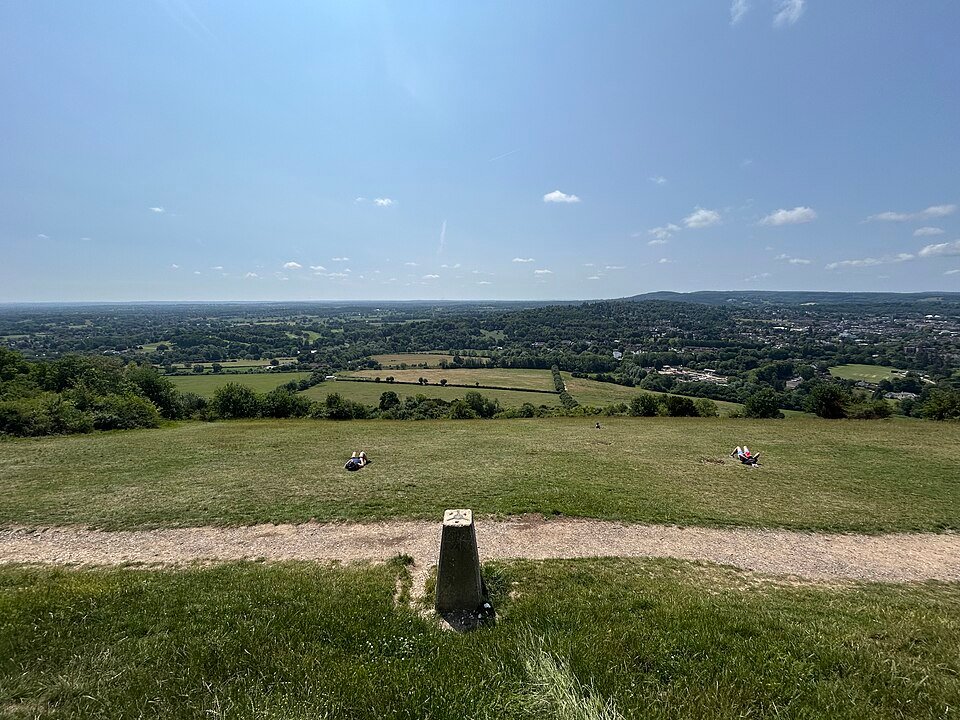
Illustrative photo. Surrey Hills from Box Hill by Calvinsky. Public domain. Resized to 960px by Wikimedia. Source https://commons.wikimedia.org/wiki/File:Surrey_Hills_2025-0…
